How Technology Is Revolutionizing Local Concierge Services
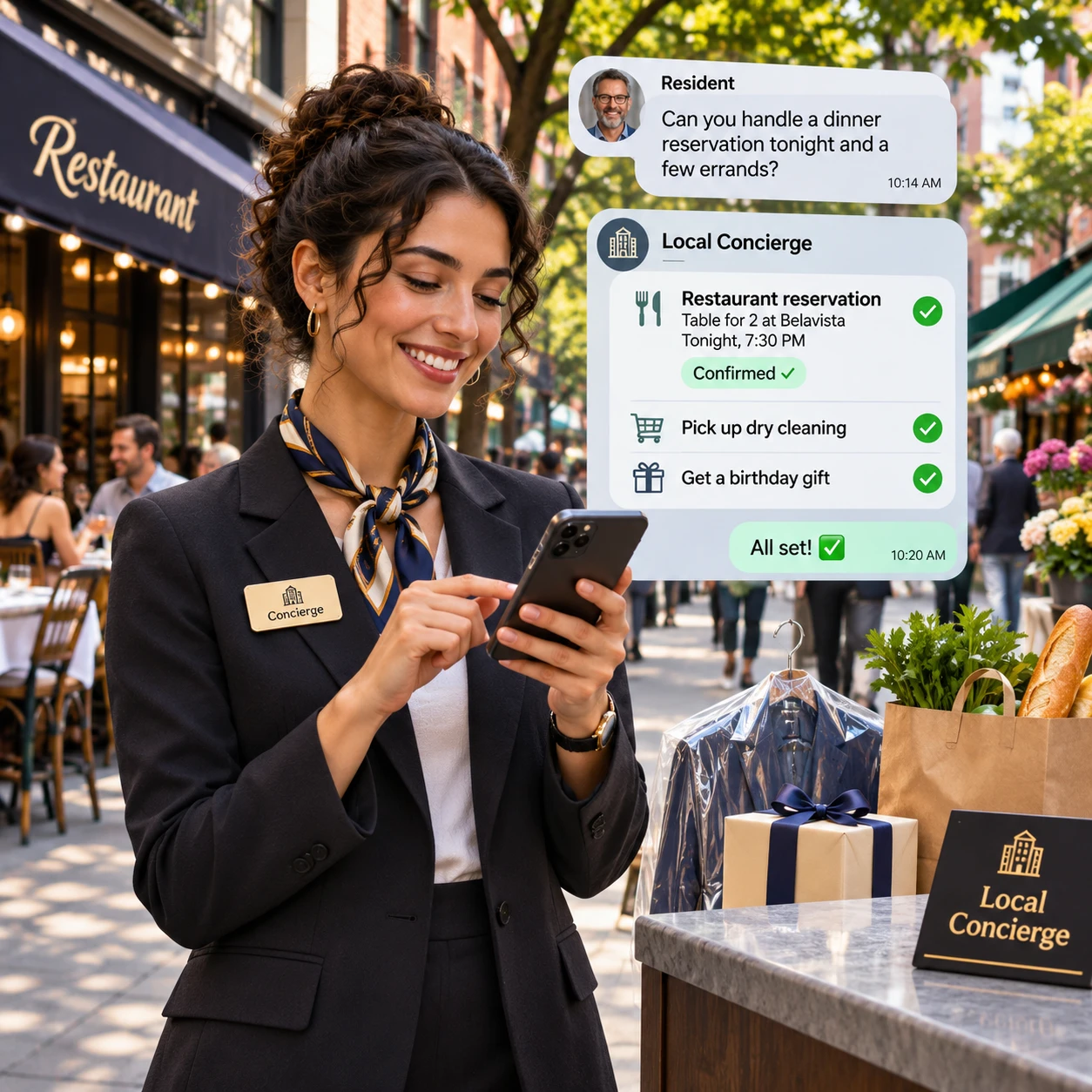
Local concierge services have long helped residents and visitors solve practical problems, from arranging a dinner reservation to finding a trusted home service provider. Technology is changing how people request that help and how concierges coordinate it, making many everyday arrangements easier to manage while keeping local expertise and human support firmly in the picture.
What local concierge services do
Local concierge services help people handle everyday tasks and make arrangements in a specific area. A concierge can save time by coordinating errands, bookings, deliveries, and recommendations, drawing on local knowledge and a network of providers.
The exact service range varies. One provider might arrange restaurant reservations, tickets, or transportation for a visitor. Another may support residents with grocery delivery, appointment scheduling, key handoffs, or finding a reliable plumber. Some services focus on a residential building or hotel; others work across a wider neighborhood.
Technology has expanded the ways these services are delivered, but the basic purpose is unchanged: make local logistics easier. A useful concierge understands both the request and its context, such as whether a restaurant is suitable for a family, whether a repair provider serves a particular block, or how much time a trip across town will take.
From phone calls to digital requests
Mobile apps, websites, and messaging tools let customers request concierge help, share details, and follow progress without relying on a phone call. These digital channels can make service easier to access, especially when someone needs to send a request outside regular business hours.
Online booking forms often collect key information upfront: the date, location, budget, accessibility needs, and any special instructions. That can reduce back-and-forth messages. Automated messaging may confirm that a request was received, alert a customer when a booking is confirmed, or ask for missing details. Customers can also use a website or app to review previous requests and communicate changes.
Still, a polished interface does not guarantee a good outcome. A request form may not capture an unusual situation, and an automated confirmation is not the same as a confirmed reservation. Look for a clear way to contact human customer support when plans change, a request is urgent, or the details need interpretation. The best digital process is convenient without making it hard to reach a person.
Smarter recommendations, grounded in local knowledge
Artificial intelligence and customer preferences can help a concierge tailor recommendations, while local knowledge adds the context that automated suggestions may miss. Together, they can make a shortlist more relevant without treating an algorithm as the final authority.
For example, a digital system might remember that a customer prefers vegetarian restaurants, avoids long walks, and usually books for two. It could use those preferences, the request’s location, and information in local business directories to suggest suitable options. A concierge can then check whether a venue is open, explain the atmosphere, or flag that a popular spot is difficult to reach during a local event.
Personalization works best when the customer can correct it. Preferences can become outdated, and past choices do not always describe what someone wants today. Ask whether you can review or update saved preferences, and whether recommendations reflect current availability or general directory information. AI can help sort options; a person can clarify trade-offs and notice details that do not fit neatly into a profile.
Faster coordination and simpler payments
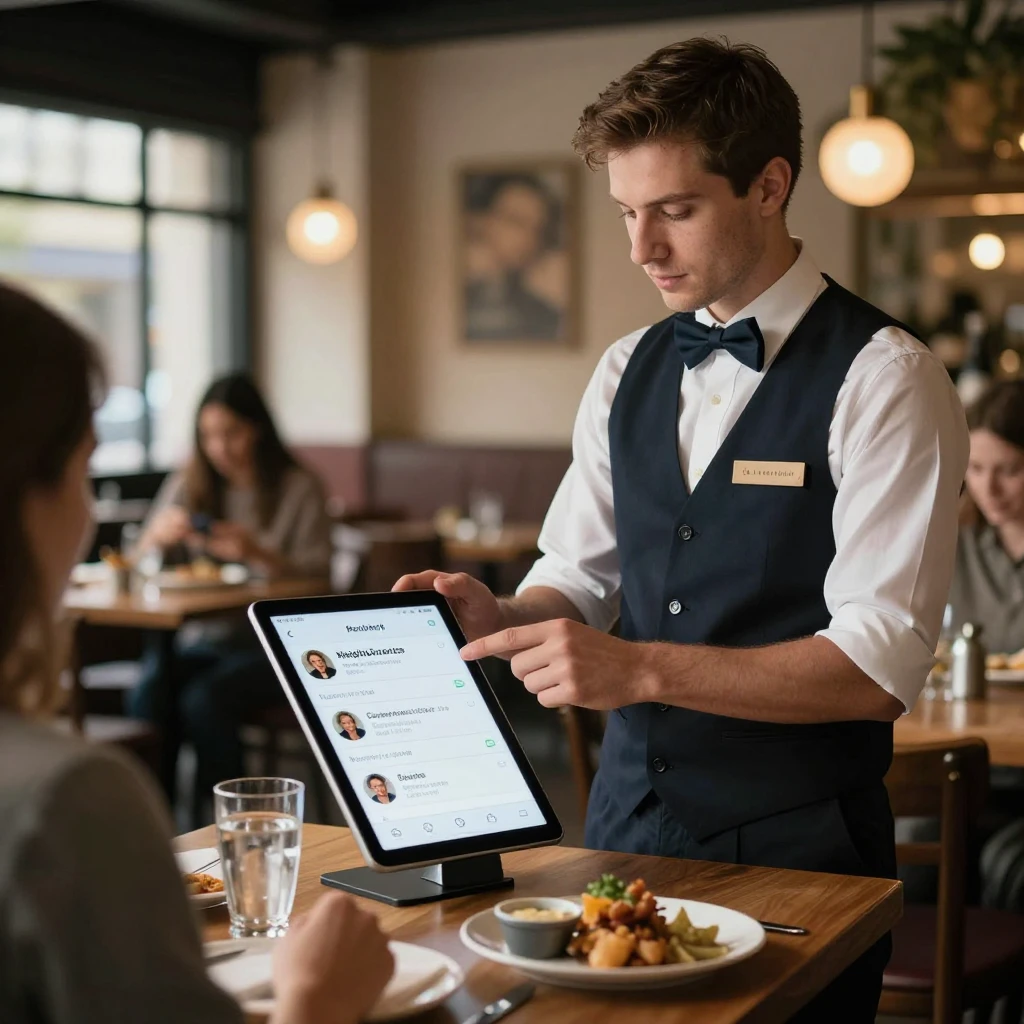
Online booking, automated updates, and digital payments can make concierge requests easier to coordinate from the first inquiry through completion. These tools give customers a clearer record of what was requested and help concierges manage several local providers at once.
A typical request might involve booking a home cleaning, arranging a delivery window, and sharing access instructions. The concierge can confirm the provider’s availability, send the customer an update, and record any changes in one digital thread. Digital payments may let customers pay a service fee or settle an agreed charge online, while receipts make it easier to check what was paid.
Convenience comes with a need for clarity. Before confirming, check whether a quoted price includes the provider’s fee, the concierge’s fee, taxes, and any cancellation charge. For third-party bookings, ask who is responsible if a provider cancels or arrives late. Fast payment is useful, but it should not obscure the service terms or leave you uncertain about who is handling the request.
The benefits—and limits—of automation
Automation can speed up routine tasks and keep customers informed, but it cannot reliably replace human judgment, flexibility, or personal contact. It works best for predictable steps, while a person handles exceptions and decisions that depend on context.
Automated messaging is helpful for confirmations and reminders. A system can also organize requests, flag scheduling conflicts, and make common information easier to find. That can give a concierge more time to solve problems rather than repeat basic updates.
But local arrangements often change at short notice. A provider may be delayed, a venue may alter its hours, or a customer’s needs may shift. An automated workflow can pass along a status update, yet it may not know which alternative is sensible or how to negotiate one. Choosing automation for speed means accepting that unusual requests may take human follow-up.
- Common mistake: Assuming an automated message means a service is fully booked. Check for explicit confirmation, especially for time-sensitive reservations.
- Common mistake: Sending sensitive access details through an unsuitable channel for convenience. Ask how those details are stored, who can see them, and when they are deleted.
- Common mistake: Treating AI recommendations as verified local advice. Confirm hours, availability, accessibility, and any important requirements before making plans.
Choosing a tech-enabled local concierge
Choose a tech-enabled local concierge by checking the service area, request and communication options, privacy practices, and access to human support. A convenient app matters less than whether the provider can handle your actual needs reliably.
Use this four-part check before signing up or sharing personal information:
- Service fit: Confirm which tasks are available, the neighborhoods covered, operating hours, and any limits on urgent or same-day requests.
- Communication: Look for the option to use an app, website, phone, or messaging, and find out how quickly a person responds when plans go wrong.
- Privacy: Ask what customer data is collected, how it is used, whether it is shared with providers, and how you can request its deletion. Avoid sending payment details or sensitive access information through channels the provider has not identified as secure.
- Reliability and accessibility: Review the booking and cancellation terms. Check whether the service offers clear alternatives for people who cannot or prefer not to use a smartphone.
Data privacy deserves particular attention because concierge requests can reveal home routines, travel plans, or personal preferences. Read the provider’s privacy notice and ask direct questions if it is unclear. For general guidance on protecting personal information online, the Federal Trade Commission’s consumer advice offers practical steps.
A good provider makes technology serve the relationship: requests are easy to place, updates are understandable, and a real person is available when local judgment matters. That balance is the clearest sign that digital convenience is improving the service rather than getting in its way.
Frequently asked questions
What tasks can a local concierge help with?
A local concierge may arrange reservations, errands, deliveries, transportation, event tickets, appointments, or referrals to local providers. Available tasks depend on the provider and service area, so confirm what is included before submitting a request.
Do I need an app to use a concierge service?
No. Many services accept requests through a website, phone, email, or messaging. Ask which channels are available if you prefer not to install an app or need an accessible alternative.
How does technology personalize concierge recommendations?
A service may use your stated preferences, past requests, location, and information about local businesses to filter suggestions. You should be able to update preferences and ask how recommendations are checked for current availability.
How should I assess privacy and security?
Find out what data the service collects, who can access it, how it is shared and stored, and how long it is kept. Use the provider’s recommended secure channels for payment and sensitive details, and avoid sharing information that is not needed for the request.
Can technology replace a human concierge?
Technology can automate routine updates and organize bookings, but human support remains valuable for exceptions, local judgment, and changing plans. A strong service combines efficient digital tools with a clear way to reach a person.