How UK Players Can Spot Safe Online Gambling Platforms in 2026
Online gambling isn't some fringe hobby anymore. It's a regular part of entertainment for millions of adults across the UK, and I've watched the way we fund our accounts shift dramatically over the past few years. Cryptocurrency, particularly stablecoins like Tether (USDT), now sits right alongside debit cards and e-wallets as a standard deposit method at loads of sites. The appeal? Pretty obvious, honestly — near-instant transfers, lower fees, and a sense of privacy that traditional banking almost never offers. But here's the catch nobody mentions in the glossy ads: as crypto adoption grows, so does the number of platforms operating well outside proper UK regulation, happily exploiting the speed and pseudo-anonymity of digital currencies to dodge oversight entirely.
This guide exists to help you cut through that noise. Whether you're someone who logs in once a month for a flutter or you gamble more regularly, understanding what makes a platform genuinely safe — rather than just flashy, fast, or dripping in bonus codes — can save you from financial loss, identity theft, or something worse. So let's break down exactly what to look for in 2026, and why some crypto-friendly casinos deserve a much closer look before you deposit a single penny.
What Makes an Online Gambling Platform 'Safe' in the UK?
Safety in online gambling isn't just a vague feeling of trust. It's measurable, if you know where to look. A genuinely safe platform operates under a valid licence from a recognised regulator, publishes transparent terms and conditions, undergoes regular fairness audits on its games, and uses secure, encrypted payment processing. Miss any one of those pillars and the rest of the experience becomes a gamble in itself — and not the kind you actually signed up for.
UKGC Licensing Requirements Explained
A licence from the UK Gambling Commission isn't just a badge sitting in the footer of a website for decoration. It guarantees several concrete protections: strict age verification during sign-up, independent audits of random number generators to make sure outcomes are actually fair, segregation of player funds from the operator's own business accounts, and access to a formal dispute resolution process when something goes wrong. In short, a UKGC licence means there's an actual authority you can appeal to if a casino refuses to pay out or starts behaving unfairly. No licence, no authority. Simple as that — and I say that having watched it play out both ways.
Red Flags of Unregulated Platforms
Spotting an unregulated or poorly regulated site usually comes down to a handful of warning signs I've learned to check first, often before I even look at the games on offer. Watch out for:
- No visible UKGC licence number anywhere on the site
- Registration only in offshore jurisdictions with minimal oversight
- Vague or hidden information about company ownership
- Bonus offers that seem too generous, often with impossible wagering requirements buried in the fine print
The Rise of Cryptocurrency Payments in UK Online Gambling
It's easy to see why crypto has taken off among UK bettors. Bitcoin and Ethereum offer fast settlement times, while Tether (USDT) has become particularly popular — mostly because it's pegged to the US dollar, which avoids the wild price swings that make other cryptocurrencies feel risky for gambling in the first place. Deposits clear in minutes. Fees are often minimal compared to card processing. And plenty of players simply appreciate not having their gambling transactions show up directly on a bank statement for anyone to see.
The problem is that the same speed and discretion that make crypto appealing also create a regulatory blind spot. Licensed UK operators that accept crypto still have to run full KYC and AML checks — no shortcuts allowed, no matter how fast the coin moves. But plenty of offshore sites use crypto specifically because it lets them skip those steps, and skip UK oversight entirely, right along with it.
The Hidden Risks of Tether Casinos Without Proper Licensing
Tether-based casinos have become a magnet for operators who want the stability of a dollar-pegged coin without the scrutiny that comes with regulated banking rails. Because USDT transactions can move with minimal identity verification on some platforms, these sites tend to attract exactly the kind of operator that wouldn't survive a UKGC audit — and that's not a coincidence, in my view. Players deposit, play, sometimes even win... only to find withdrawals delayed indefinitely, accounts frozen without explanation, or customer support that just vanishes into thin air.
Without a licence, there's no ombudsman to appeal to and no regulator with the power to force a payout. You're essentially trusting a stranger with your money based on a slick website and reviews that may well be fake. If you or someone you know has developed concerning gambling habits tied to these platforms, it's worth knowing that confidential support and guidance exist specifically for people affected by unsafe or unregulated betting activity, including those drawn into risky tether casinos operating well outside UK regulation.

Why KYC and AML Checks Matter
Know Your Customer and Anti-Money Laundering checks can feel like an annoying speed bump when all you want is to start playing. But they exist for good reason, and I'd argue they're one of the clearest signals of a platform actually worth trusting. Proper verification protects you from identity theft, prevents your account from being used in fraud schemes, and — critically — keeps the platform itself under scrutiny that discourages it from simply disappearing with player funds. Casinos that skip these checks to speed up onboarding? In my experience, they're usually cutting corners somewhere else too, even if it isn't obvious at first glance.
A Practical Checklist for Spotting Safe Platforms in 2026
Before you create an account or make a deposit anywhere, run through this quick checklist. It takes maybe five minutes and could save you weeks of hassle later on:
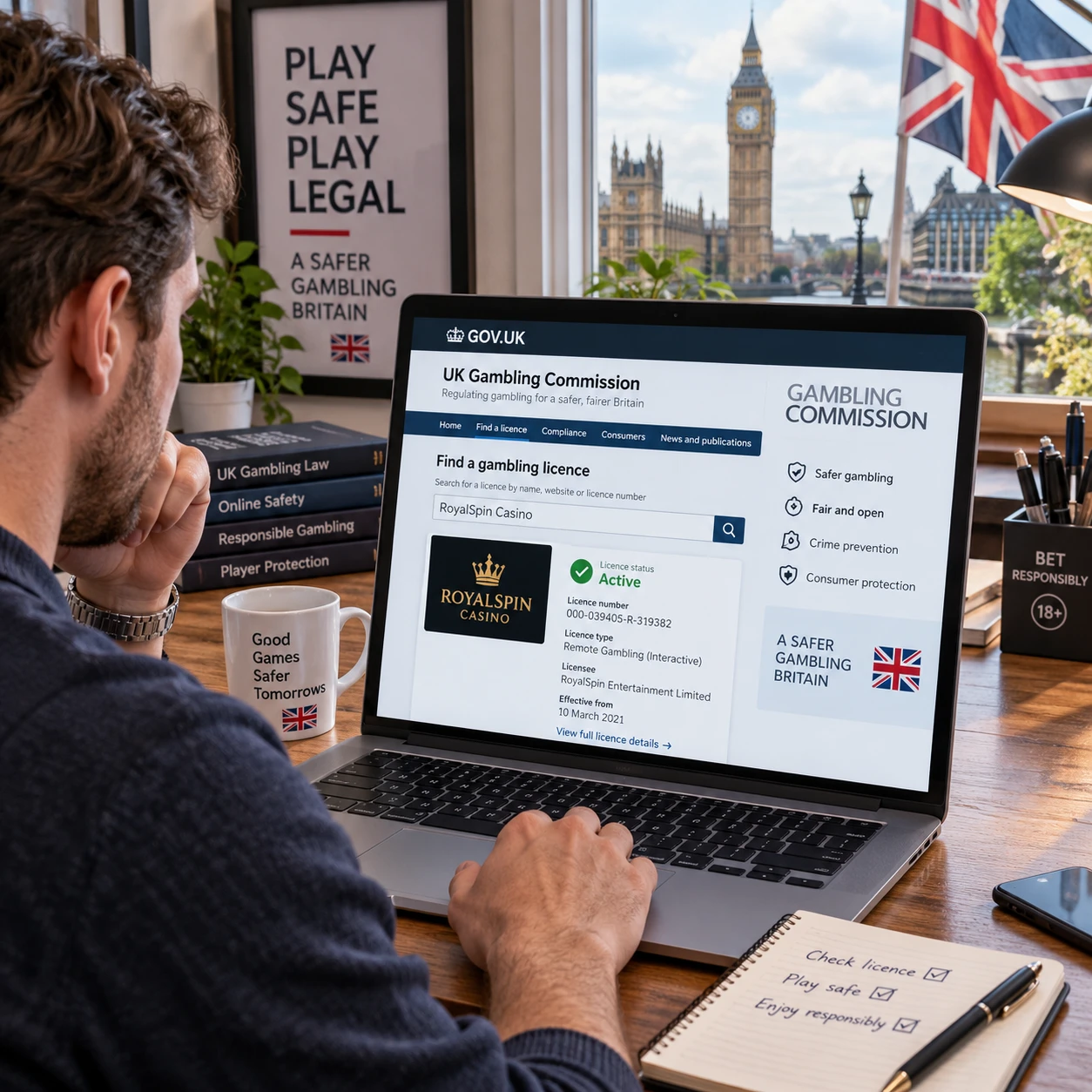
- Verify the UKGC licence number directly on the official government register, not just on the casino's own site
- Check for SSL encryption and a clearly published data protection policy
- Read independent player testimonials and complaint forums, not just curated reviews on the casino's homepage
- Confirm withdrawal timeframes, limits, and any hidden fees before you deposit
- Look for built-in responsible gambling tools like self-exclusion options and deposit limits
Responsible Gambling Practices Every UK Player Should Follow
Even on a fully licensed platform, your own habits matter just as much as the operator's credentials do. Set personal deposit and time limits before you start playing, and — this is the hard part, if I'm honest — stick to them even on a winning streak. Learn to recognise the early warning signs of problem gambling: chasing losses, gambling to escape stress, hiding activity from family. Most licensed UK sites support GAMSTOP, the national self-exclusion scheme, and I think it's one of the genuinely useful tools out there if you feel your play is becoming harder to control.
Where to Find Support if Gambling Becomes a Problem
If gambling starts to feel less like entertainment and more like a compulsion, you don't have to navigate it alone. Organisations like GamCare and BeGambleAware offer free, confidential advice and support across the UK, including helplines staffed by trained advisors who've heard it all before — nothing shocks them. Community-based support services can also provide a more personal touch for those affected by unsafe or unregulated betting experiences, offering a space to talk through what's happened and plan next steps without judgment.
Common Mistakes UK Players Make When Choosing a Platform
Even experienced players fall into predictable traps — I've made a few of these myself, if I'm being honest. Chasing eye-catching crypto bonuses without first confirming a licence is one of the most common. Others skip reading withdrawal terms entirely, only to discover restrictive limits once they actually try to cash out a win. Trusting unofficial 'best casino' lists is another frequent misstep, since plenty of those are paid placements dressed up as genuine recommendations. And a lot of people underestimate just how risky anonymous crypto wallets can be — there's little to no recourse if funds disappear into an address with no identity attached to it, none at all really.
Conclusion
Licensing and transparency aren't optional extras. They're the foundation of safe online gambling, no matter how appealing a crypto-friendly bonus might look on the surface. As cryptocurrency payment options keep expanding across the industry in 2026, UK players need to treat due diligence as a non-negotiable step before depositing a single coin. Check the licence. Read the fine print. Set your limits, and remember that support is always available if things start to feel out of control. Online gambling should stay what it's meant to be: entertainment with safeguards built in, not a financial gamble with your personal data and hard-earned money sitting on the table.