Pet Care and Dog Walking Services: What Bristol Offers
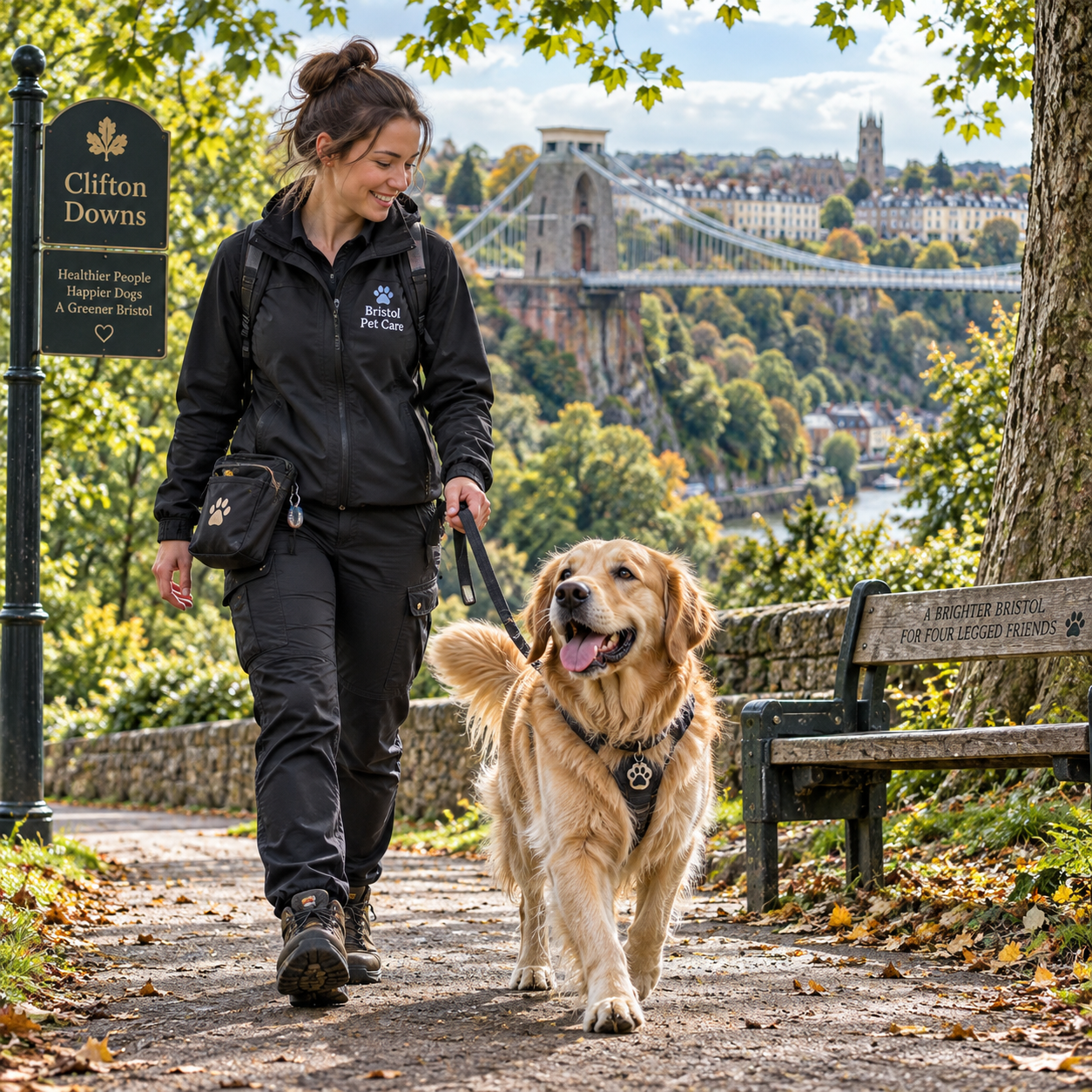
Bristol pet owners can choose from flexible care arrangements that fit working days, holidays, changing routines and different animal personalities. Local options include dog walking, pet sitting, home visits, dog daycare, pet boarding and tailored puppy care.
The right service depends on more than location. Your dog’s age, energy level, recall, social preferences and comfort with unfamiliar people all affect which arrangement is safest and most practical. This guide explains what Bristol residents may find locally and how to compare providers before making pet care bookings.
Exploring Bristol’s pet care options
Bristol pet care services cover daytime exercise, short home visits, overnight supervision and longer holiday arrangements. The best option is the one that matches your pet’s routine, temperament and level of support.
A typical local service menu may include:
- Dog walking: individual walks, group walks, puppy walks and recurring weekday visits.
- Pet sitting: care in your home or a carer’s home, depending on the provider.
- Home visits: feeding, toilet breaks, companionship, medication support where agreed and basic welfare checks.
- Dog daycare: supervised daytime care for dogs that enjoy structured activity and social contact.
- Pet boarding: overnight or holiday care for dogs and, with suitable arrangements, other household pets.
- Puppy care: shorter visits, toilet-break support, gentle play and gradual introductions to new routines.
These categories can overlap. A dog walker may also provide home visits, while a pet sitter may offer overnight stays. Ask exactly what is included rather than relying on the service name alone. A listed walk might include collection and transport, or it might begin only when the dog reaches the park.
Bristol’s urban and suburban areas also create practical differences. A service built around local parks may suit an active adult dog, while a nervous dog could benefit from quiet one-to-one care near home. Travel time, collection routes and access to secure walking areas should form part of your comparison.
Dog walking services in Bristol
Dog walking services in Bristol usually range from one-to-one walks to group walks, with puppy care and recurring schedules available from some pet carers. Choose the format according to your dog’s exercise needs, confidence and ability to cope around other dogs.
Individual walks
One-to-one dog walking can suit reactive, elderly, highly energetic or easily overwhelmed dogs. It gives the carer more control over pace, route and toilet breaks. The trade-off is that individual care often has less scheduling flexibility and may cost more than a shared walk.
Group walks
Group walks may provide exercise and social contact for friendly dogs that are comfortable travelling and walking with others. Ask about the usual group size, matching process, supervision and what happens if one dog becomes distressed. A large group is not automatically unsafe, but the carer should be able to explain how they maintain control.
Puppy walks and recurring arrangements
Puppies often need shorter, calmer visits rather than a long adult-style walk. Puppy care may focus on toilet breaks, play, rest and confidence-building around a consistent carer. Confirm whether the provider follows your agreed routine and avoids over-exercising a young dog.
Recurring bookings can help dogs settle because collection times and carers become familiar. Before committing, check the provider’s policy for holidays, sickness, late arrivals and substitute walkers. Reliability matters as much as enthusiasm when your dog depends on a weekday visit.
Useful details to confirm include:
- Whether the advertised duration includes collection and return travel.
- Where dogs are walked and whether routes change according to weather or behaviour.
- How dogs travel, including crate use, ventilation and separation between unfamiliar animals.
- Whether dogs remain on lead unless the owner has provided clear permission for off-lead exercise.
- How the carer records incidents, toileting, food refusal or unusual behaviour.
Pet sitting, home visits, and boarding
Pet sitting and home visits keep care close to your pet’s familiar environment, while pet boarding provides overnight supervision away from home. Home-based care often suits cats, nervous dogs and animals with established routines, but boarding can offer more continuous supervision when the arrangement is carefully matched.
Home visits and pet sitting
A home visit may last long enough to feed a pet, refresh water, clean litter, provide a toilet break and offer companionship. Several visits per day can work for independent cats or dogs that manage well between visits. A longer pet-sitting stay may be preferable for animals that become anxious when left alone.
Tell the carer about feeding instructions, medication, mobility limitations, separation-related behaviour and rooms that are off-limits. If medication support is needed, agree in writing what the carer can administer and what they should do if the pet refuses it.
Dog daycare and pet boarding
Dog daycare can suit sociable dogs that enjoy supervised activity during the day. Ask how the provider handles rest periods, group compatibility, pick-up and drop-off, and illness procedures. A dog that loves a short group walk may still find a full day of constant interaction tiring.
Pet boarding may take place in a professional facility, a carer’s home or another approved setting. Compare sleeping arrangements, overnight supervision, exercise plans, emergency contacts and whether dogs are mixed with resident animals. For cats and other pets, home visits may be less disruptive than relocation.
There is no universal winner between home care and boarding. Home-based care preserves familiar smells and routines, whereas boarding may provide closer supervision and more interaction. The sensible choice depends on the pet’s behaviour, care requirements and response to change.
How to choose the right local pet carer
Choose a local pet carer by checking suitability, safety procedures, availability, communication and emergency planning before comparing convenience or price. A short introductory meeting can reveal more than a polished service description.
Use this five-part filter:
- Experience: Look for relevant experience with your pet’s age, size, breed traits, confidence level and care needs. Ask for specific examples rather than general claims.
- Safety: Discuss lead handling, secure doors, transport, separation between animals, off-lead permissions and procedures for a lost pet.
- Fit: Consider whether your dog needs quiet individual care, structured group walks, puppy support or high-energy exercise. For cats and small animals, assess the carer’s comfort with species-specific routines.
- Communication: Agree how updates are delivered, whether the carer sends arrival messages or photos, and who contacts you if plans change.
- Continuity: Confirm who provides cover during illness, holidays or emergencies. A backup plan prevents one missed visit from becoming a welfare problem.
Ask whether the provider carries appropriate insurance and follows any relevant local licensing or registration requirements for the service offered. You can also review official animal welfare guidance from the UK Government when assessing boarding or daycare arrangements in England.
Arrange a meet-and-greet before the first booking wherever possible. Watch how the carer approaches your pet, listens to your instructions and responds to signs of stress. A warm personality helps, but calm handling and accurate questions are stronger indicators of suitability.
Questions to ask before booking
Before booking pet care, ask about the daily routine, supervision, transport, communication, cancellation terms and emergency response. Clear answers reduce misunderstandings once the service begins.
- How long is the actual walk, and does that time include collection and return?
- How many dogs are included in group walks, and how are temperaments matched?
- Will my dog travel in a vehicle, and how are dogs separated during transport?
- Where will the walk take place, and what is the plan during extreme weather?
- Can you provide puppy care or shorter visits for a young, elderly or anxious dog?
- Do you offer home visits, overnight pet sitting or pet boarding?
- How do you manage feeding, medication, accidents and unexpected behaviour?
- What updates will I receive, and when will you contact me if something seems wrong?
- What happens if you are ill, delayed or unable to attend?
- What are the cancellation, rescheduling and payment terms for pet care bookings?
Do not choose solely from a low headline price. A cheaper group walk may become poor value if the route, duration or transport arrangement does not suit your dog. Compare the complete service, including collection, communication, insurance and contingency cover.
Preparing your pet for professional care
Prepare your pet for professional care by giving the carer a written routine, accurate behaviour information, emergency contacts and clear access instructions. A gradual introduction usually makes the first booking easier for both the animal and the provider.
Create a concise care sheet containing:
- Feeding amounts, timing, treats and foods to avoid.
- Toilet habits, walking cues, recall reliability and equipment instructions.
- Known triggers, fears, escape risks and interactions with dogs, cats, children or strangers.
- Medication details and the name of your veterinary practice, if relevant.
- Your contact details, an alternative emergency contact and permission arrangements.
- Microchip information, identification details and the location of leads, food and cleaning supplies.
Introduce new carers gradually. A short meet-and-greet can be followed by a brief trial visit before a full day, overnight stay or holiday booking. For a puppy, begin with a predictable routine and enough rest. For a nervous adult dog, avoid testing several new variables at once, such as a new carer, unfamiliar group and long vehicle journey.
Check practical access points too. Explain alarms, keys, parking, gates, bin locations and which doors must remain closed. If your pet stays at home, leave a visible emergency instruction sheet and tell a trusted person how to access the property if plans change.
Finding a suitable Bristol service
Find a suitable Bristol pet care service by comparing the pet’s needs with the provider’s format, safety process, availability and communication standards. Start with fit, then verify logistics and terms before making a booking.
| Your pet’s situation | Services to consider | Key checks |
|---|---|---|
| Friendly adult dog needing weekday exercise | Group walks or recurring individual walks | Group size, walk duration, transport and recall policy |
| Nervous, reactive or elderly dog | Individual walks or home visits | Quiet handling, route flexibility and emergency support |
| Young puppy | Puppy care and short home visits | Rest periods, toilet routine and gradual introductions |
| Cat or independent small pet | Home visits or in-home pet sitting | Feeding, litter care, access security and visit frequency |
| Holiday or extended absence | Pet sitting or pet boarding | Overnight supervision, sleeping arrangements and backup cover |
Before confirming, complete a simple final check:
- The carer has met the pet and understands its behaviour.
- The service format matches the pet’s energy, age and social comfort.
- Walk duration, group size, transport and supervision are clear.
- Home access, feeding, medication and emergency arrangements are documented.
- Prices, cancellations, updates and backup cover are agreed in advance.
Bristol offers enough variety for owners to build a care plan around the individual pet rather than force every animal into the same routine. Compare providers patiently, begin with an introductory booking when possible and review the arrangement after the first few visits.
Frequently asked questions
What types of dog walking services are available in Bristol?
Common options include individual walks, group walks, puppy walks, recurring weekday visits and short home visits. Providers may also combine walks with transport, feeding or basic welfare updates.
How do I choose a reliable pet sitter or dog walker?
Check relevant experience, insurance, availability, safety procedures, communication and emergency cover. Meet the carer with your pet and ask for precise details about supervision, transport and the daily routine.
Should my dog have a meet-and-greet before its first booking?
Yes, a meet-and-greet is strongly recommended. It lets you assess handling, share important information and see whether your dog appears comfortable before committing to a longer walk, daycare session or boarding stay.
What information should I give a pet carer?
Provide feeding instructions, toilet habits, behaviour triggers, lead and recall details, medication information, emergency contacts, veterinary details and clear home-access instructions. Be honest about risks or challenging behaviour.
Is home-based pet care better than boarding?
Home-based pet care is often better for animals that become unsettled by unfamiliar environments, while boarding may suit pets that enjoy structured supervision and social contact. The best choice depends on temperament, routine, care needs and the quality of the arrangement.