Seasonal Home Maintenance Tips from Bristol Experts
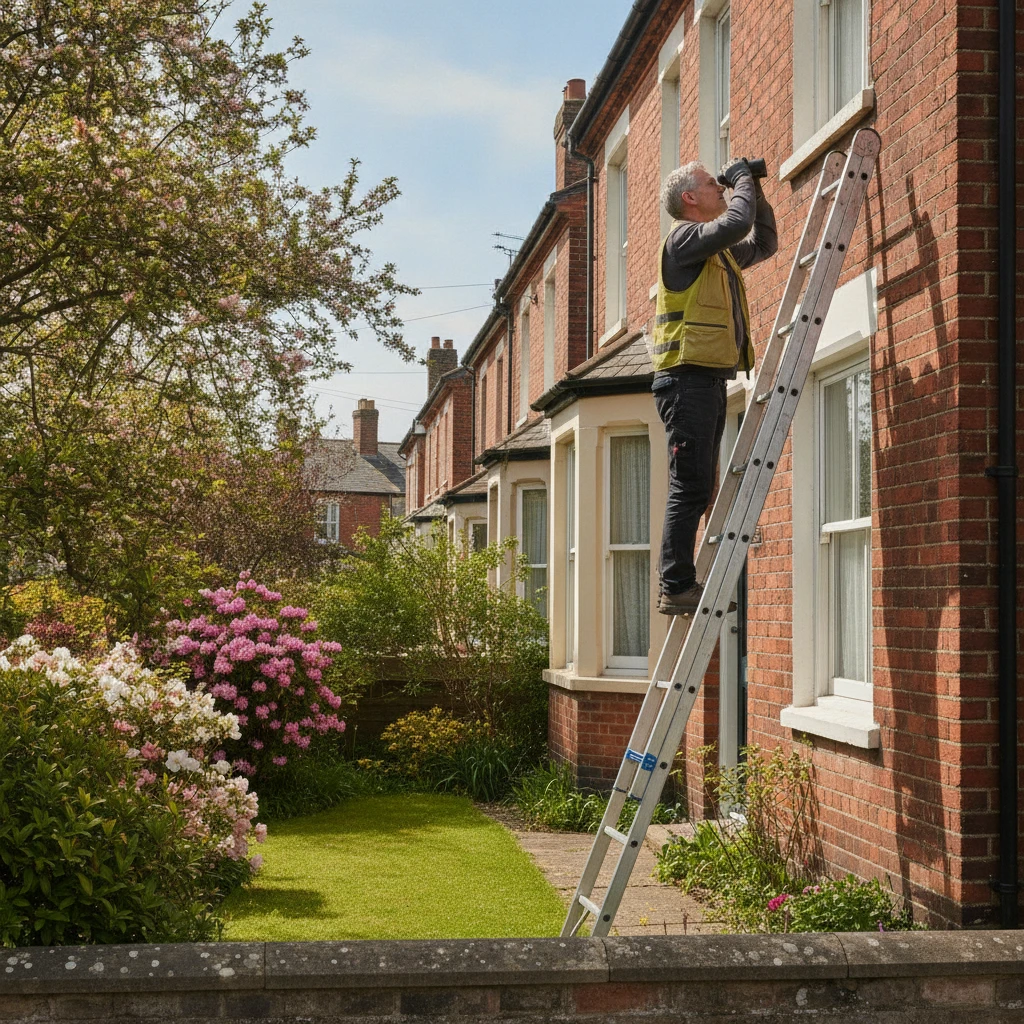
Keeping a home in good condition is easier when you tackle small checks throughout the year. Bristol’s changeable weather can bring wet spells, chilly periods and warmer summer days, so roofs, gutters, ventilation and outdoor drainage all deserve attention at the right time.
This seasonal checklist is designed for different types of Bristol homes, from flats and terraces to detached houses. Adjust it to suit your property, and leave work at height, complex repairs and safety-critical jobs to qualified local tradespeople.
Why seasonal maintenance matters in Bristol
Seasonal home maintenance helps you spot wear, water ingress and equipment problems before they develop into larger repairs. Regular checks are particularly useful in Bristol, where changing weather can put roofs, gutters, garden drainage and external finishes to the test.
A short inspection does not guarantee that a problem will be avoided, but it can reveal early warning signs. A blocked downpipe, for example, may be easier to deal with before heavy rain exposes a drainage issue. Likewise, noticing condensation around a window gives you a chance to review ventilation before staining or mould spreads.
Use a simple seasonal cycle: look for signs of damage, clear accessible debris, test everyday systems and arrange professional help when something seems unsafe or beyond your skills. Keep notes or photos so you can tell whether a crack, stain or patch of damp is changing over time.
Every property behaves differently. Age, roof design, insulation, nearby trees and the way a home is occupied all affect its maintenance needs. Focus on what you can safely observe, rather than assuming that every Bristol home needs the same work.
Spring checks after winter
In spring, check for damage left by winter, including blocked gutters, roof concerns, damp signs and poor outdoor drainage. These inspections can help you plan repairs before the wetter months return.
Start with a visual check of the roof from the ground. Look for slipped or missing tiles, damaged flashing, sagging areas or debris in valleys. Do not climb onto the roof or lean out of an upper-floor window; contact a roofer if you see something concerning. Check gutters and downpipes for visible blockages, overflowing marks or joints that appear to have moved.
Inside, look around ceilings, chimney breasts, window reveals and external walls for new discolouration, bubbling paint or musty smells. These can indicate moisture, but the cause is not always obvious. A roof leak, plumbing fault, condensation or penetrating damp may need different solutions, so avoid covering a stain before identifying its source.
- Review ventilation: make sure extractor fans in kitchens and bathrooms work, and keep vents clear.
- Inspect garden drainage: remove leaves from accessible drains and note areas where water remains after rain.
- Check external taps: look for drips or loose connections after cold weather.
- Look for pests: check sheds, loft access points and stored items for signs of rodents or insects.
Clear only gutters and drains you can reach safely from the ground. A ladder fall is not a reasonable trade-off for avoiding a routine call-out.
Summer jobs to prepare your home
Summer is a good time to maintain exterior surfaces, manage garden growth and check windows and doors while conditions are often more suitable for outdoor work. Choose jobs that protect the home without creating unnecessary work.
Inspect external paintwork, pointing, sealant and timber for peeling, gaps or decay. Small areas may be suitable for a confident DIY repair, but widespread deterioration or damage around a chimney, roofline or upper storey calls for a professional assessment. If you plan to repaint or reseal, follow product instructions and make sure the surface is dry and sound.
Keep plants, shrubs and climbing growth from pressing against walls, blocking air bricks or covering vents. Trim branches that rub against the roof or obstruct gutters, using a qualified tree professional when the work involves height or large limbs. In the garden, check whether water flows away from the house and keep gullies clear of soil and leaves.
Test windows and doors for smooth operation, damaged seals and draughts. Lubricate moving parts only as the manufacturer recommends. If a window is difficult to open, do not force it; warped frames, failed hinges or a damaged locking mechanism may need repair. Maintaining seals can improve comfort, though replacing them will not solve every cause of heat loss or condensation.
Summer can also be a useful time to arrange planned work on heating or plumbing, when an urgent cold-weather breakdown is less likely to disrupt the household. Ask the contractor what inspection or service is appropriate for your particular system.
Autumn preparation for colder, wetter weather
Before colder, wetter weather arrives, clear gutters, check that the heating system works, deal with visible leaks and reduce draughts around windows and doors. Autumn is the season to prepare, not to wait for a problem to become urgent.
Remove leaves and debris from gutters and check that downpipes discharge properly. If your property is near trees, you may need to check more often during leaf fall. Do not reach over a ladder or work near overhead cables; hire a suitable professional for high or awkward sections.
Test the heating system before you rely on it. Check the thermostat and controls, and arrange servicing in line with the manufacturer’s guidance. If radiators stay cold, the boiler makes unusual noises or the system repeatedly loses pressure, contact a qualified heating professional. Never remove a boiler casing or attempt gas work yourself. In Great Britain, gas work must be carried out by a Gas Safe registered engineer.
Inspect accessible pipework, the boiler area and ceilings beneath bathrooms for signs of leaks. Repair failed external sealant or damaged weather stripping where you can do so safely and correctly. Sealing draughts can make rooms more comfortable, but do not block purpose-made air vents; homes still need adequate ventilation to manage moisture.
If you have an unused fireplace, check that it is maintained appropriately and that ventilation arrangements remain safe. A chimney sweep or other competent professional can advise on inspection and cleaning for your setup.
Winter essentials and warning signs
In winter, monitor heating and plumbing, keep indoor ventilation working and respond promptly to signs of leaks or roof damage. Routine observation matters more than risky attempts to repair problems in cold or wet conditions.
Keep the home at a suitable temperature for the people living there and follow advice for your heating system. If you are away during cold weather, consider how to protect exposed plumbing in line with your insurer’s requirements and the system manufacturer’s instructions. Know where the internal stop tap is and how to turn it off in an emergency.
Look for water stains, damp patches, dripping sounds, mould growth or a sudden drop in heating performance. Condensation on windows may relate to indoor moisture and ventilation, while persistent damp or a spreading stain can have another cause. Record where and when it appears, then share those details with a professional.
- For a burst or serious leak: turn off the water at the stop tap if safe, protect electrical safety, and contact an emergency plumber.
- For suspected roof damage: keep clear of unstable areas and arrange a roofer’s assessment. Do not climb onto a wet roof.
- For a gas smell or carbon monoxide alarm: follow current emergency safety guidance, leave the property if advised, and contact the appropriate emergency service or Gas Safe professional.
Do not ignore a small leak simply because a container catches the water. The visible drip may be far from the source, and moisture can damage finishes or hidden materials over time.
When to call a Bristol professional
Call a Bristol professional when a maintenance issue involves working at height, gas, electrics, persistent damp, a significant leak or a repair you cannot confidently diagnose. Simple visual checks and accessible cleaning are often suitable for homeowners, but safety and correct diagnosis come first.
Before booking, describe the symptoms, when they started and whether they change with rain, heating use or ventilation. Photos can help a roofer, plumber or damp specialist understand the problem, although they do not replace an inspection. Ask what the visit includes, whether the contractor is appropriately qualified and insured, and whether the proposed work addresses the cause rather than only the visible mark.
Choose the right trade for the issue: a roofer for roof coverings and flashing, a plumber for water leaks, a qualified heating engineer for boiler faults, and a suitable damp or building specialist when moisture keeps returning. For gas work in Great Britain, check the engineer’s Gas Safe registration. For electrical work, use a competent electrician and clarify whether any required certification is included.
DIY is a sensible choice for tasks such as checking seals or clearing ground-level debris, provided you can do them safely. It becomes a poor bargain when it risks a fall, worsens water ingress or masks the real cause of damp. A clear diagnosis can prevent repeat visits and unnecessary repairs.
Frequently asked questions
Which home maintenance tasks should Bristol homeowners do each year?
At minimum, inspect the roof and gutters from a safe position, check for damp and leaks, test ventilation, review windows and doors, clear accessible drainage and make sure heating maintenance is up to date. Add checks that fit your property, such as tree-related gutter inspections or exposed-pipe precautions.
How often should gutters be checked and cleared?
Check them at least in spring and autumn, and more often if nearby trees shed leaves into the gutters. Clear them when needed, using a professional for high, awkward or unsafe access.
What are early signs of damp?
Early signs can include a musty smell, recurring condensation, peeling paint, discoloured patches, mould or crumbling plaster. These symptoms have several possible causes, so investigate the source before treating the surface.
When should I call a professional about a leak or heating problem?
Contact a plumber promptly for active or worsening leaks, and call a qualified heating professional if the boiler repeatedly loses pressure, fails to heat or behaves unusually. Treat a burst pipe, significant roof leak or gas safety concern as urgent.