How UK Players Can Safely Use Cryptocurrency for Online Gambling in 2026

I've spent a good chunk of the last year testing crypto casinos, swapping notes with other UK punters in forums, and generally poking around the edges of this space to figure out what actually works — versus what just sounds good in a marketing email. And honestly? Crypto gambling stopped being a niche curiosity a while back. It's a genuine alternative now, for a lot of us.
Whether it's the speed of deposits, the privacy, or just wanting something different from the usual debit-card routine, more UK players are dipping their toes into Bitcoin casinos than ever. But here's the thing — crypto gambling isn't a free-for-all. There are rules, there are risks, and a fair few scams lurking about if you're not paying attention.
This guide walks through what I've learned about staying safe: where the UK Gambling Commission actually stands on all this, and how to pick a platform that won't leave you regretting your choices six months down the line.
What Is Crypto Gambling and Why Are UK Players Turning to It?
At its core, crypto gambling just means using digital currencies — Bitcoin, Ethereum, stablecoins like USDT — instead of pounds sterling to fund your casino account. The games stay largely the same: slots, blackjack, live dealer tables. Nothing new there.
What changes is how the money moves in and out, and often the tech running the fairness checks underneath it all.
How Crypto Casinos Work
You buy crypto through an exchange — Coinbase, Kraken, whatever suits you — send it to your casino wallet address, and that's your balance sorted. Wagering works exactly like it would with fiat. You place bets, you win or lose, and when you're ready to cash out, the casino sends crypto back to your personal wallet.
Some platforms let you convert your balance into a stablecoin so you're not watching Bitcoin swing 8% mid-session. Which, honestly, I appreciate. Nothing worse than winning at the tables and losing on the exchange rate.
Key Benefits Over Traditional Payment Methods
Speed's the obvious one. Withdrawals that take three to five business days via bank transfer can clear in minutes with crypto — sometimes faster than you'd expect. Fees tend to run lower too, since you're skipping card processing networks entirely.
There's a privacy angle as well. You're not handing over full banking details to every site you sign up with, and that matters more than people think. Plus, a lot of crypto casinos run provably fair systems, letting you actually verify a game's outcome wasn't rigged. Traditional online casinos rarely offer anything close to that level of transparency.
UK Gambling Regulations and Cryptocurrency in 2026
This is where a lot of confusion creeps in. So let me clear it up as best I can, based on what I've dug through.
Is Crypto Gambling Legal for UK Players?
Yes — but with an important caveat. It's not the currency that's regulated, it's the operator. Any casino accepting UK players, crypto or not, needs a UK Gambling Commission (UKGC) licence if it wants to legally advertise or operate in the country.
Plenty of crypto casinos exist offshore without UKGC licences, and technically UK players can still reach them. But you lose every protection that comes with regulation. I'd steer clear, personally. Doesn't matter how tempting the bonus looks.
What UKGC Licensing Means for Player Protection
A proper licence means the operator has to follow strict rules around fair game outcomes, responsible gambling tools (deposit limits, self-exclusion, reality checks), and a formal complaints process if something goes sideways. Without that oversight, you're trusting a company with zero accountability to UK authorities.
It's a bit like playing without a safety net — fine until it isn't.
How to Safely Use Cryptocurrency for Online Gambling
Getting started the right way makes a massive difference to how smoothly things go later. Skip a step now, pay for it later — that's roughly the pattern I've seen play out, over and over.
Setting Up a Secure Crypto Wallet
Software wallets work fine for everyday use. But if you're holding meaningful amounts, a hardware wallet — a Ledger or Trezor — is worth the money. Never store your seed phrase digitally.
Write it down, keep it somewhere safe, and don't share it with anyone. Ever. I know that sounds obvious, but you'd be surprised how many people slip up right here.
Understanding Volatility and Transaction Risks
Crypto prices move. A lot. If you deposit £100 worth of Bitcoin and the price drops 15% before you cash out, your winnings shrink in real terms — even if you technically won at the tables.
Frustrating, sure. But that's the deal with volatile assets. Stablecoins sidestep this nicely, so if price swings worry you, that's the smarter route for managing your bankroll.
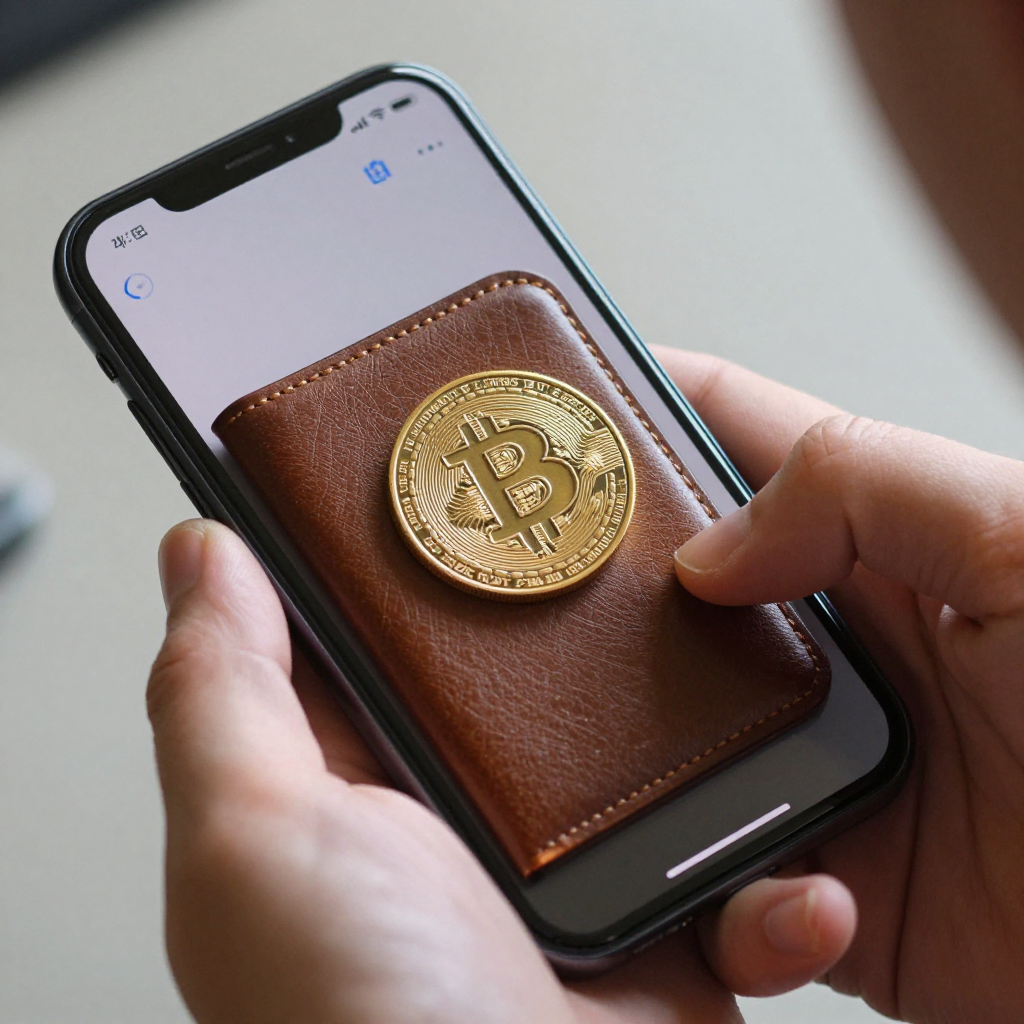
Choosing the Best Crypto Casinos in the UK
This is honestly where most of the risk lives — not in the crypto itself, but in choosing the wrong platform to hold it. I always look at licensing first, then game variety, security certifications, how responsive support actually is, and how fast withdrawals process in practice. Not just what the marketing page claims — those two things don't always match, in my experience.
Rather than trial-and-error your way through dozens of sites, it helps to start with a curated comparison. I've found resources like best crypto casinos in uk genuinely useful for narrowing down vetted platforms built for UK players specifically, rather than generic international lists that skip over local regulatory needs entirely.
Key Factors to Evaluate Before Signing Up
- Valid UKGC licensing (or equivalent recognised regulation)
- Range of supported cryptocurrencies beyond just Bitcoin
- Transparent bonus terms with reasonable wagering requirements
- Clear withdrawal limits and processing times
- Genuine player reviews across independent forums — not just testimonials on the casino's own site
Red Flags to Avoid When Selecting a Platform
If a site's terms and conditions read vague, buried, or contradictory, walk away. No licensing info visible anywhere on the homepage? Another bad sign.
And if support is unreachable, or takes days to answer a simple question, think about how they'd handle an actual dispute over your withdrawal. Not well, probably.
Common Mistakes UK Players Make with Crypto Gambling
I've seen these — and, honestly, made a couple myself early on. Skipping KYC verification and then getting locked out of withdrawals is a classic one. Using sketchy, unregulated exchanges to buy crypto in the first place is another.
And a surprising number of players forget that gambling winnings, while generally not taxed as income in the UK, still need proper record-keeping if you're moving large sums through crypto. HMRC does pay attention to significant crypto transactions — worth knowing before it becomes a problem, not after.
Responsible Gambling with Cryptocurrency
Because crypto transactions move fast and feel a bit detached from your everyday banking app, it's easy to lose track of what you're actually spending. Set deposit limits before you start playing — not after a losing streak, when it's already too late to matter much.
Use self-exclusion tools if you notice patterns creeping toward compulsive behaviour. Speed and privacy are real benefits, sure, but they can also mask warning signs that would be a lot more obvious staring back at you from a traditional bank statement.
Conclusion
Crypto gambling in 2026 offers real advantages for UK players: quicker payouts, lower fees, a level of privacy traditional methods just can't match. But none of that matters if you're playing on an unlicensed, poorly reviewed platform — that's the part people skip, and it's the part that actually protects you.
Do your homework, stick to UKGC-licensed operators, secure your wallet properly, and gamble within limits you've set in advance. Get those basics right, and crypto casinos can genuinely be a smoother, more enjoyable way to play.